How Minda Harts Rebuilt Workplace Trust Through Storytelling


Bestselling author and workplace revolutionary Minda Harts joins Rhona Pierce to break down the ideas behind her new book, Talk to Me Nice. She explains why trust keeps collapsing inside modern workplaces, how her Seven Trust Languages help rebuild it, and what she learned while growing from bestselling author to emerging filmmaker.
This conversation goes deep into trust, culture, storytelling, and what it really takes to challenge norms without burning bridges.
If you’re a creator, a leader, or someone trying to rebuild trust at work, this conversation will hit.
RESOURCES MENTIONED:
- Buy Talk To Me Nice: https://www.mindaharts.com/talktomenice
- Book Minda to Speak: https://www.mindaharts.com/speaking
- Get Rhona's Newsletter: https://link.rhonapierce.com/YZEviw
CONNECT WITH US:
- Connect with Minda: https://www.linkedin.com/in/mindaharts/
- Connect with Rhona: https://www.linkedin.com/in/rhonabarnettpierce/
Want to turn your team into creators?
Visit workfluencermedia.com to learn how we help companies build video first content systems that attract, engage, and retain talent.
Don't forget to leave us a 5-star Review ⭐️⭐️⭐️⭐️⭐️
💜 Leave a review on Apple Podcasts https://podcasts.apple.com/us/podcast/workfluencer/id1740429498
🟢 Leave a rating on Spotify https://open.spotify.com/show/4R6bJ4JZpqOlFdYelWwsBr
Minda Harts, workplace trust, Talk to Me Nice, trust languages, workfluencer, Workfluencer podcast, workplace culture, creator storytelling, writing books, creative process, burnout prevention, workplace equity, corporate trust, content creator journey, filmmaking, workplace communication, leadership trust
Learn more about your ad choices. Visit megaphone.fm/adchoices
Minda Harts (00:00.664)
place revolutionary. like take practical things that we've been experiencing in the workplace and flip them on their head so that we can actually make them work for us.
but I think the best creations, the best type of content comes under stress.
was writing this book about trust, but part of it was trusting my gut to say, okay, we have our audience, we've done well with these other books, so you just have to believe in what you've always done and keep that rooted in the thing. During the pandemic, like many of us, binge watched a lot of shows, right? And one of the shows that I binged was this show on Netflix called The Get Down. I'm watching this actress and now she's about to be in my next short.
is such a cool story.
that you plan, if you really trust yourself and trust your voice, then your people will show up for you.
Rhona Pierce (00:54.444)
Writing about trust sounds simple until you try doing it in a world built on broken promises. Minda Hartz has turned those hard truths into bestselling books, viral conversations, and now short films. She's an author, a professor, a producer, and one of the few creators truly redefining how we talk about work and power. Minda, welcome to Workfluencer.
Thank you for having me. Honored to be here.
So for those that aren't familiar with you, can you tell us a bit about who you are and what you do best?
That's a great question. So I would say I, I had to say I'm a workplace revolutionary. I like to take practical things that we've been experiencing in the workplace and flip them on their head so that we can actually make them work for us. And so I've done that through blogs, through talks, through books and through film.
So, I love all of your books. You've written about race, belonging, healing, all really deeply human topics. What made you realize that trust was the next story you needed to tell?
Minda Harts (02:03.118)
Yeah, it's interesting because over the years I've had so many people say, I don't trust my manager or I don't trust my colleague or the big one. I don't trust HR. Right. And I started to think as I would have all sorts of people all around the world tell me these things, I'm like, well, what's underneath that? Right. It's not that you just don't trust them. There's got to be something deeper, like what caused the breach of trust. Right. And so I thought about the work I had been doing over the years.
And I thought, you know exactly what all of this really boils down to is trust. Rather I'm writing about women of color, black and brown women. If I'm writing about the workplace, we all have erosions of trust that we are experiencing daily. And we don't always have the language to let somebody know in a way that will be helpful to us to advocate for ourselves how to get trust back on the tracks. And I thought, you know what? Trust is a global language. Everybody around the world knows what it feels like when trusted.
here and when it's gone. And I thought, you know what, maybe we could solve some of these bigger issues if we get on the same page. And I felt like trust was a good place to start.
Yeah, it's for sure one of the things that no matter where you've worked, what type of career you've had, can definitely, we can all agree that trust is something that is most of the time missing in the workplace for sure. So your books always take lived experience and like turn it into something structured. That's really what I like about it. Like the seven trust languages that you spoke about and talk to me nice.
How did that framework take shape? Was it like trial and error, research, intuition?
Minda Harts (03:40.28)
Well, it goes back to the conversations I was having with people over the years where when they tell me that they didn't trust someone, I'm like, tell me more about that. And I'd ask like these questions and then come to find out what they were really wanting from this person was more transparency. Talk to some other people. What they were really wanting was more feedback. And I'm like, again, there's this is less of a trust issue and more of a communication issue. So if they knew that you needed more transparency, a little more clarity, would that
enhance trust for you. And they're like, yeah, I guess it would. I'm like, okay, well, what if you practice telling them that and give them the chance to enhance that trust with you? And then people kind of like the lights went off. And so I thought, if we have love languages for our romantic and platonic interactions, we need languages for the workplace. And that's what helped me craft the seven trust language.
Amazing. Which trust language do most workplaces get wrong in your experience?
Well, if you would ask me this probably a year ago, I would say one language, but I think today there's two in sensitivity. I feel like there's a real lack of empathy in cultural and emotional intelligence for people in their situations. We might all work at the same place, but we don't experience the workplace the same. And I think that lack of empathy, lack of sensitivity. And I also think transparency. think there's a lot of ambiguity in
work from home, return to work, and I feel like people are just like on eggshells all day and they just need a little little honesty.
Rhona Pierce (05:13.652)
That's interesting because for so many years we've been talking about transparency. It's like a HR buzzword, if you ask me. the fact that we're still getting it wrong after all these years is really interesting, but I 100 % agree with you on those two being the ones that are most lacking. So let's talk a little about like the behind the scenes of writing the book. You've now written three books.
And I've heard from a lot of authors that book three is usually the hardest. Was that true for you?
like every book has been hard because they've been birthing a different baby. Right. And I feel like the memo, most people found my work through my first memo. And I felt like that was probably the hardest book to write because I had to be the most vulnerable. And I feel like every book got a little bit easier. But when you are also trying not to sound super redundant when you have so many books out there because different people come to your work or it may be the, you know, people who
the ten toes down with from the beginning, you know, so you want to still make fresh work, but still keep your voice and point of view. So I think writers get in their head a lot when it comes to each of those books.
Is there, was there any difference in your creative process or in your, writing process in general from the memo to talk to me nice.
Minda Harts (06:39.734)
Yeah, you know, one of the things that I was really intentional about was what people liked about me from the first books was the pop culture was the, kind of keep it real, make it like we're speaking on the couch, having like a drink. And I wanted to make sure that even though I brought in the conversation and wanted to bring new audiences in, that I still kept what was authentic to me. And I think that when you're kind of I called Talk to Me Nice, my crossover album.
And when you're trying to appeal to a larger group to bring them into the conversation, you also want to be authentic. And I think for me, that was like really key and talk to me nice. Like I didn't want to, I didn't write a book, want to book, write a book like some other author, right? I still wanted to keep those tenants. And I, I think that was like the hard part because I wanted to make it more framework and less about me, like some of my other books.
Hey, have you subscribed? Let's fix that. It's the easiest way to support this show. What was the hardest part about writing Talk to Me Nice? Was it like the discipline, the little differences like you mentioned, going more framework than personal story?
Yeah, you know, I think for me, also, a lot of people don't know this particular book, I had a new publisher. So my other books were with one publisher and then this one was with Flannery. So you're starting fresh with new relationships, right? People who may have read your books before, but they haven't worked with you intimately. And so I think that that was interesting. And then I also had a new agent. So I had a lot of new, new with this this book. So I felt like, OK, these couple of different people are
rooting for me, they want to see me win. And I felt like there was a lot of pressure to be like, okay, you took a chance on this book, a little deviation from the other books. And so I think for me, they that was self induced pressure, they didn't provide that. But I because people were saying, we believe in this book, I wanted to deliver.
Rhona Pierce (08:39.352)
I think that's something that I see across every creator that I speak to no matter the medium and I get it myself. We put so much pressure on ourselves. That's something that we talk a lot about here on Workfluencer. between, actually, was there ever a point when you thought maybe this isn't the book that I'm supposed to write?
think every time I turned in a new chapter, was like, is this really? I don't know. But you know, it's funny. think part of writing Talk to Me Nice was also trusting myself. Right. I was writing this book about trust, but part of it was trusting my gut to say, we have our audience. We've done well with these other books. So you just have to believe in what you've always done and keep keep that rooted in the thing. And so for me, I think it was really
focusing on trusting myself and saying, you know what, trust is never going out of style. So you don't have to worry about is this book going to be relevant? Because it's always going to be relevant. And I'll share with you is that when I pitched this book almost two and a half, three years ago, the workplace looked a lot different than what it does today. And so now that the book is out in the world, I'm like, OK, yeah, I'm glad I trusted my gut because trust is maybe even more important today than it was three years ago.
It's wild how quickly things have changed as someone who's been in the workplace for I consider a significant amount of time these past few years have been like whoa. Yeah, for sure. So between teaching, speaking, running a company and all the things that you do, when and how do you actually write? Like are you a routine person or like write when it hits type of person?
am an Aries, so I have like 50 different things on my plate and I am a procrastinator. And so for me, I'd like to say, you know, the good writer is I write 20 minutes a day. do the things. But for me, I'm like, I have a deadline on Friday. It's Tuesday. I need to get it done right. And that I do my best work when my back is against the wall. And I don't encourage that. But every book has been.
Rhona Pierce (10:53.598)
It must be a creator thing. really must be. I'm like, why do we love this stress? But I think the best creations, the best type of content comes under stress. Do you have any rituals or like creative systems that help you get into the flow when you're like down to crunch time?
Yeah, you know, so I'm inspired by a whole lot of things. I stay, you know, reading different periodicals and articles and, you know, follow different accounts. And so I'm always inspired. So even though I don't have a daily ritual, I always put things in my notes or do voice notes to myself. if something crazy happened, I'm like, yeah, got to come back to that. Got to think about that. And so and I test a lot of my ideas in my newsletter or on LinkedIn. And so that also helps me. So when I do
get my back up against the wall and I'm like, have to write then I can go back to these pieces that to see, know, did that resonate with people and those sorts of things. So for me, the kind of water cooler for me is always social media because I test out my thoughts and ideas on there and then I go back and see how people respond. And so that's always like a I would say like a practice for me.
interesting and like from the feedback that you get from testing out these things on social media has anything ever like significantly changed in how you were thinking on presenting it?
Yeah, absolutely. Because, know, as creators, we have art ideas and sometimes we're in silos or, you know, for me, I haven't been in a traditional nine to five since 2019. So, you know, it's still fresh that I've been there, but there's still a lot that I haven't experienced that other people have. And so I never want to write from a place of, you know, how people are like writing 30 years removed from the workplace. And they're talking about these things. I never want to be that girl, you know, so I always want to keep my
Minda Harts (12:44.13)
finger on the pulse of what people who are in the trenches day to day are experiencing so that I'm not riding from this like ivory tower. So I always find it valuable to chat, excuse me, tap into the people who are experiencing those things day to day.
That's so important because yeah, it's true. If you really want to connect with people and for people to find it relevant, you can't come to it from back in the day, even though 2019 isn't that far away. But you get what I mean.
Yeah, yeah. But people who worked in like 1988 who are telling you what to do at networking events, it's like, yes, there's some relevancy, but it's also, you haven't been you haven't had a manager in like 40 years.
Rhona Pierce (13:30.574)
totally different. It's interesting. haven't been in a traditional 9 to 5 since what? 2023. And I still feel like some of the advice that I would randomly give to people, like, huh, I don't even know if that's really relevant right now. I get that from just when people like family members ask me for advice and things like that. So yeah, it changes and it changes fast.
So you're now producing short films, which is exciting, which feels really like the next evolution of your storytelling. What inspired that move into a visual medium?
it's interesting because I always thought that I would make films before I became an author. Like I never saw authorship on the, my bingo card ever. And so, but I always knew that I wanted to be in filmmaking, but I just didn't know what that looked like. Right. And so when I was in college, I used to write plays when I was in junior high school, I used to, in my youth group used to perform these plays that I written. And so
You know, but it was more of a hobby. And then when COVID happened, I thought, you know what, I'm going to take an online course for screenwriting. And I enrolled at UCLA and I was like, you know what, I'm going to prepare for my next best thing. And I just started investing in myself in that way. And then when I had the opportunity to participate in getting the memo into short film status, I was like, my God, God, you keep like shining a light, letting me know that, okay, you're on the right.
And so it is an evolution of storytelling. And I find that people may never read some of my books, but hopefully they will see a film and feel some of the same pulling on your heartstrings or see themselves in certain storylines. And so I hope to be able to tell stories and make an impact in that way, too.
Rhona Pierce (15:20.28)
What kind of stories do you want to tell on screen that maybe can't live on a page?
Well, in a couple of weeks, I'm filming my next short. And that short is about, it's not necessarily the workplace, but it's tenants of things that happened in our youth that make us who we are today, right? Finding your voice and those sorts of things. And it's really a summer fling. Maybe everybody's had a summer fling or an office fling, and maybe they didn't last forever, but there were certain things that still bring you back to or make you who you are today. I, that human.
connectivity is really important to my books and humanizing each other and seeing ourselves in ways that we can be vulnerable. That's always been part of my work and I want that to also be part of my point of view in film as well.
What's the thing that's exciting you the most about this upcoming film?
Well, I actually it's funny during the pandemic, like many of us, we binge watched a lot of shows, right? And one of the one of the shows that I binged was the show on Netflix called The Get Down. And I really loved my lean. I believe that was her name on there. And and then I went to watch some other shows that she was in. And it's funny, I'm watching this actress and now she's about to be in my next short. So it's really funny. So that's exciting to me. Like if you would have asked me and like,
Minda Harts (16:42.03)
2020, 2021, would I be directing this young actress? would have never believed you. And so I, you know, I just want to let people know those seeds that you plant. If you really trust yourself and trust your voice, then your people will show up for you.
It's such a cool story. I can't wait to see it and to follow along because I love how you share about what's happening on social media. That's really part of like taking people through the process. So you've built your entire platform really on conversations that make some people uncomfortable. Race, equity, workplace trauma. How do you maintain that edge without you yourself burning out or burning bridges?
I I mean, I'm so glad that you brought up the burning bridges, because I think it's important that we can have tough conversations and still keep trust in humanity and dignity and integrity at the forefront. Right. And I think I've even learned that through my work even more, because, I sometimes the topics that I write about may only impact certain demographics, but it impacts the entire world. Right. And so I found that, let me say what's
the elephant in the room. But I want to say that talk about the elephant in the room in which you can participate in the conversation too. And so I think that for me, it's like I don't have to be a mean girl or a mean person or mean spirited to be able to talk about the things that are there playing us or that eroding trust. And I think that's what I've always kept like we could still have hard conversations, but we don't have to be. I don't have to be nasty about it. And that nasty nice, I think we see a lot in the workplace. And this is also way of showing people that you
can connect and have a difference of opinion without burning down a bridge.
Rhona Pierce (18:34.932)
man, that is so relevant and I won't get into specifics, we're both in the threads world right now and it's happening. You just have to be careful how you say things to not burn those bridges because we've seen a creator really be been like taken to task this week for things that were said 15, 20 years ago. It's people never forget.
what Maya Angelou said, they don't forget how you made them feel, right? And we see that in real time. And I think that this is a good, rather people know what we're talking about or not. This is a good reflection point for all of us to think about how we're engaging with people, know, what is our brand, you know, and those sorts of things, because it matters, whether it's today or 20 years down the road.
Yes, yes, yes. And even if you're not saying things on the internet at work, like I've seen it happen. I've one of the I think it was my dad. I always say this. He doesn't think it was him. But I think it was him told me that the most important thing in business isn't who like, you know, it's who you know, and how you treated them when they first interacted with you, because they'll never forget that first interaction.
that. And if your dad did say it, that was great advice. I even talk about that and talk to me nice. It's, know, like one of the languages is feedback. And if you're a type of person that you get feedback and then you like kind of lash out based off of what people told you about yourself, then it may or may not be true. But how you respond either enhances trust in that relationship or erodes it. And I think we all can think about, okay,
How are we responding? How are we engaging? what can people say? Because now you don't want people to go off and say, well, I, can't, she can't take feedback, right? Or she can't the thing. And now that becomes a narrative that may not or may or may not be true. like you said, rather you're a creator online or you're a creator inside a workplace, your brand, your, your word is important.
Rhona Pierce (20:38.338)
Yes. Tell me about a time that your content got real backlash. Like how did you handle it and how did it change how you create?
Yeah. You know, it's funny, maybe about a year ago, it was after the election and I had made a statement online because I do a lot of statements online, like a lot of people do. And I didn't think anything wrong of it. And I still don't necessarily think what I said was wrong, but I think we can take things into consideration. Right. And so after the election, I was really surprised with some of the results and
I made a statement like, maybe we need to have conversations with people on the other side so we can understand what was the, what made this decision for them, right? And I was just really curious about, wow, I really thought more people kind of swayed one side. And I was surprised by the lack of that. And I had another creator rethread me and pretty much try to drag me for saying, how can you write about women of color and then say, let's talk.
to the other side and I was actually, and then it brought a lot of trolls to me and it wasn't necessarily about my character, but about how I could open up that conversation to both sides. And in the moment, I'll tell you, it felt bad being dragged by a creator who I admired, right? And it happened to be another black woman too. And it made me really sad, but what I realized was I can't,
I'm not going to go on a defend myself trail. I still stand by that. I mean, because we are going to meet people may think like we do or not, but everybody isn't where you are in your mindset and your in your point of view. But I took what they said into consideration. But and I just had to keep moving. And I think that's part of the process as a creator. You might not everybody might be like singing your praises all day for a very long time. And then there comes a time where people get their licked back.
Minda Harts (22:42.926)
for whatever reasons, right? And it's not always about you. And so I think as long as you can stand on your business and integrity and not like get lost in the sauce, it's a long way to get there. But I think because we are creators, you do open yourself up to public scrutiny, whether it's good, bad or indifferent. And I think as long as your values are aligned with what you said, you know, as my mom would always tell me and my brothers, as long as you know, right? And as long as you know who you are and what you stand for, then the rest doesn't matter.
Yeah, I mean, it definitely doesn't feel good. But it's just on the internet. There's so what I really think it comes back to trust, to be honest, because statements like that have been said by people who have been proving that you can't trust them. But you can't just like project that on everyone. You have to know like, hey, because Minda talks about these things. Definitely. They're not going to be just saying this.
to kind of like try to push a different narrative or opposite narrative type of thing. It's like, maybe Minda really just wants to know and understand. I mean, that's how I would have taken it. But yeah, it's just the internet is an interesting place. And as creators, like you said, I love that advice from your mom, just like, as long as you know, as long as it's aligned with who you are, then people are gonna have opinions and there's nothing you can really do about it.
Absolutely. So get your get your helmets on and your knee pads and prepare for the war.
And for every troll, there is a full league of people that are loyal to you that defend you because I've seen it happen to me. I've seen it happen to other creators where it's like, no, no, no, no, no. This is not what Rona meant type of thing. that's the beauty.
Minda Harts (24:41.336)
seen that too, where people do swing in and be like, okay, this is not okay. Shout out to those people who show up for you.
Yes. So three best sellers, a LinkedIn top voice, all the accolades. How do you stay connected to why you started?
remind myself of that every single day, like the why, right? So when I get the accolades or I get the things, you know, I never signed up for the trophies, you know, and there's a lot of trophies you're not going to get. And I'm just grateful that there was a group of people who saw what I had to say was important and that they resonated with it. And so I always keep that front and center that keeps me humbled. Like I get to do the work that I get to do because other see value.
in me and so I will never stop showing up for people engaging with people because I wouldn't be here without those people who find value from the posts right even if we never meet every like matters to me every comment every book by everything matters and so I I don't take that for granted and so that keeps me humble and that keeps me reminding myself every day.
what impact do we want to make and what legacy do we want to leave and that makes it really easy to keep showing up.
Rhona Pierce (26:01.635)
So good. What do you know now about being like a multi-format creator that would have saved you so much pain at the beginning?
do if I would have started doing video more early in my career because I'm a I'm very much an extreme introvert, but I play a good extrovert when I need to and I never really like video content, but I think that had I started flexing that muscle and getting more comfortable early on it wouldn't be so painful today. So I say all that to say show up in the verticals where people want to see you and they want to see more of you and I think regardless of
our comfort level, have to be willing to step out of that box.
And everyone knows this is a soapbox. will not get off but introverts video is the best thing for introverts because People just trust you and they feel they already know you I I go to a lot of like in-person events and conferences and it's like you get to talk less Because people see you on video They already feel that they know you and then you can just do like enough of the talking there in person because people really feel like my god
that video blah blah blah. I always tell people video is really for introverts.
Minda Harts (27:17.78)
Yes, thank you. I'm taking that and I'm going to run with it.
So for the creator who has that book inside of them but keeps finding reasons not to write it, what's the truth that they need to hear today?
waiting for you. Right. I think I often tell writers who asked me for advice, they'll say, well, somebody has already written that book or somebody else has done it. I said, well, remember all the workout tapes that are out there? Tybo, Buns of Steel, Abs of Steel. There's always something coming, but nobody can do it the way that, you know, somebody else could do it. How many exercise bikes have there been? Right. But Peloton, they bust through. Right. So your book,
they're waiting on you to say it only way you can. And so the longer that you procrastinate, the longer that the people who are waiting for you don't have the resources they need to be their best self.
Love that. Love that advice. So if you've ever watched or listened to a workfluencer episode, you know there's always a segment towards the end. So this one we've talked about, talk to me nice and the big picture, but now it's time to confess. Like no PR spin, no polished answers, just the messy real behind the scenes of writing this book. I'm going to throw a few questions your way and you've got to give it to us straight. Are you ready?
Minda Harts (28:40.11)
Let's go.
All right. What's one thing that you put in this book that your team or editor questioned, but you fought to keep?
The name, the title.
What?
I love the title. Why were they against the title?
Minda Harts (28:59.886)
I think that it wasn't that they were against the title, but would people understand what it meant, right? And I'm like, my people, they're gonna know what it means and it's gonna work out. And that's part of my lens on pop culture and what resonates with me and others. And so I fought to keep talk to me.
I love that. What's the page in this book that makes you sweat a little like the one that you're low key nervous people are going to read?
Oh, I don't know the exact page, but it's where I talk about where I was eroding trust at work. And that was because I was so unorganized at some part of my career with my expenses, like to the point where I would travel a lot for my previous job and I'd be gone for weeks and weeks at a time. So I'd lose receipts. And sometimes that would create issues with my corporate account. And so sometimes my card, my corporate card, we get cut off and I'm like this
you know, director and my corporate card would be off and then it would trigger all these other things. So I write about how, you know, we may not experience, we may not know how our work or lack of work impacts other departments and that creates erosions of trust. And I had to talk about myself and I feel like that I always like kind of cringe that I put that in there, but I also wanted to be vulnerable.
So, so relatable, Be honest, what's the most painfully unglamorous part of writing a book?
Minda Harts (30:30.35)
think sharing those moments where people can judge you, like putting it all out on the table, I think that's been probably the hardest and least glamorous because you could tell somebody else's story and that's cool, but when you like put yourself on the line and you're telling stories about other people, I think that there's like the fine line.
Amazing. All right. So one last one. What's the harshest piece of feedback that you got? The one that made you want to throw the manuscript in the trash, but actually made the book stronger.
I would say that probably the to-do's, right? Like the workbook type of stuff. Like I had like little bit in there, but my editor was like, we need more, we need more, we need more. And I think pushing myself to write kind of a manual and I didn't do that with my other books. So I really had to get creative on like, for example, there's an assessment in there about how do you figure out what your trust language is? And I think that took the longest because I'm like, man, I had a new
respect for people who have assessments and all those sorts of things inside their books because it's not for the faint of heart.
Amazing. Is there anything I haven't asked you about the book or any of your work that you feel is important for listeners to know?
Minda Harts (31:48.802)
You know, the one thing I'll say is this. was really, I am really proud of Talk to Me Nice. I feel like it's a guide that can really help people close that expectation gap with their colleagues and managers. But because I've written so many books with the same kind of voice, if you will, like pop culture and kind of, you know, tell it like it is. People like that about me from my former books. And so when people, when I look at the reviews, know, Bernay Brown says, don't listen to people in the cheap seats. I listen.
I went to look at the cheap seats to see what they were saying for people who were just finding my work, right? For the first time, they had read nothing else. And so some people were saying, she uses too much pop culture, right? Those sorts of things. And I had to, again, not get upset about that and realize the people who this book is for, who like that type of work, there's room for that. And I've already demonstrated that and people trust me and that's what they like about part of what they like about the work. And so as a creator,
know what your secret sauce is, regardless of if people don't like that taste.
Amazing, amazing advice. Where can people find, talk to me nice and watch your films and like what's the best way to connect with your work?
Well, you can go and get Talk to Me Nice wherever you like to buy your books and then just go to mindahearts.com and follow me on your favorite place to play. And if that's LinkedIn, follow me there and you'll stay connected on all the things, films and books.
Rhona Pierce (33:17.919)
I really enjoyed this conversation. Thank you so much for being on the show today.
Thank you for your voice and thank you for trusting me.
Thanks so much for listening. If you're enjoying the Workfluencer pod, share it with someone who's changing how we talk about work or who should be. And hey, if this episode gave you ideas or inspiration, leave us a five-star review. Reviews help other listeners find us. And honestly, it makes my day. Workfluencer is produced by Perceptible Studios. Learn more about how we can help you use video to attract, engage, and retain qualified talent at perceptiblestudios.com.
Thanks for listening and I'll chat with you next week.
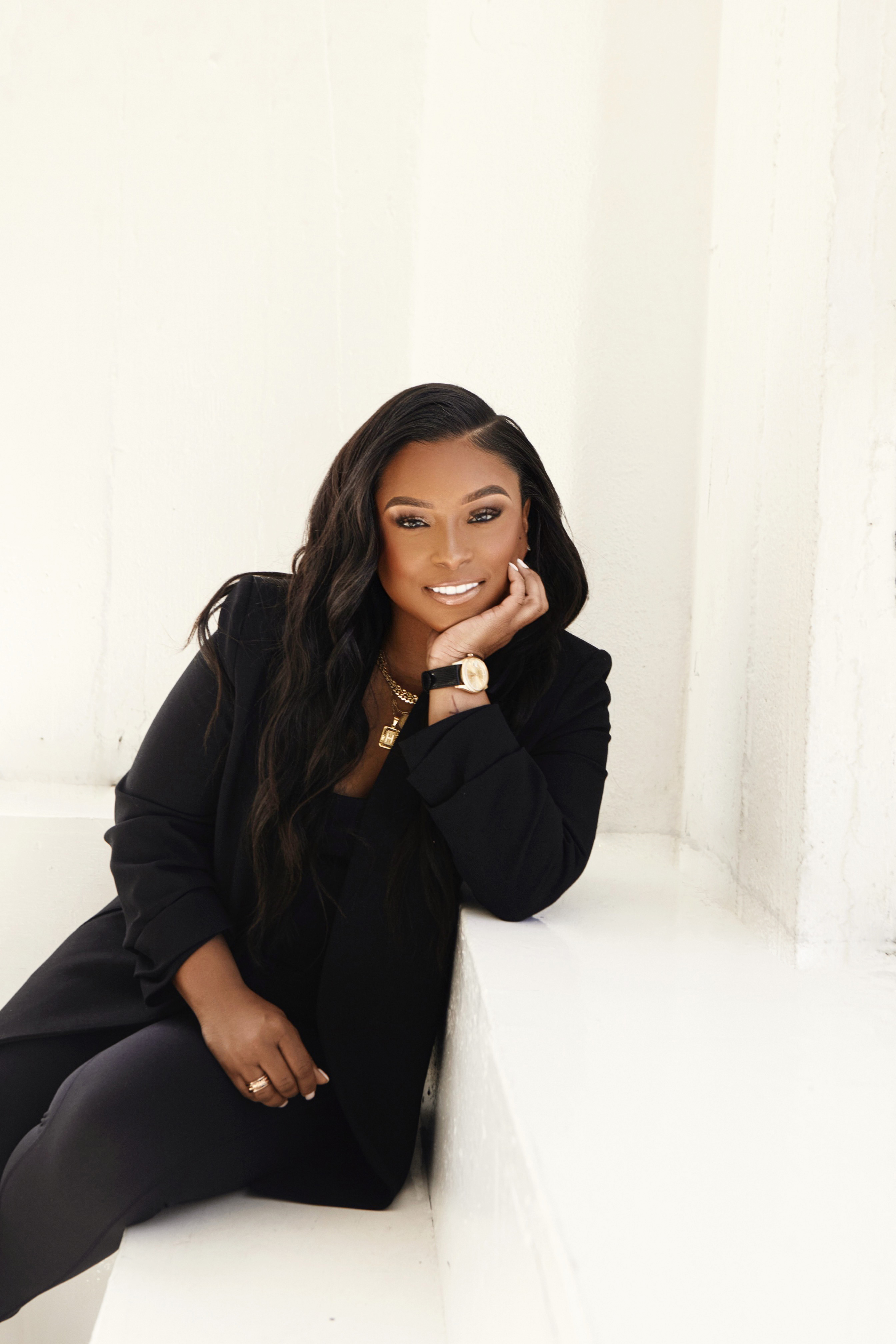
Minda Harts
Author | Speaker | CEO
Minda Harts is the bestselling and award-winning author of The Memo: What Women of Color Need to Know to Secure a Seat at the Table as well as Right Within: How to Heal from Racial Trauma in the Workplace. She is an assistant professor of public service at NYU’s Robert F. Wagner Graduate School of Public Service and the founder of The Memo LLC, a career development company. She was named by LinkedIn as the #1 Top Voice for Equity in the Workplace in 2020 and as one the top 100 People Transforming Business by Business Insider in 2022. She has a weekly career podcast for women of color titled Secure the Seat.